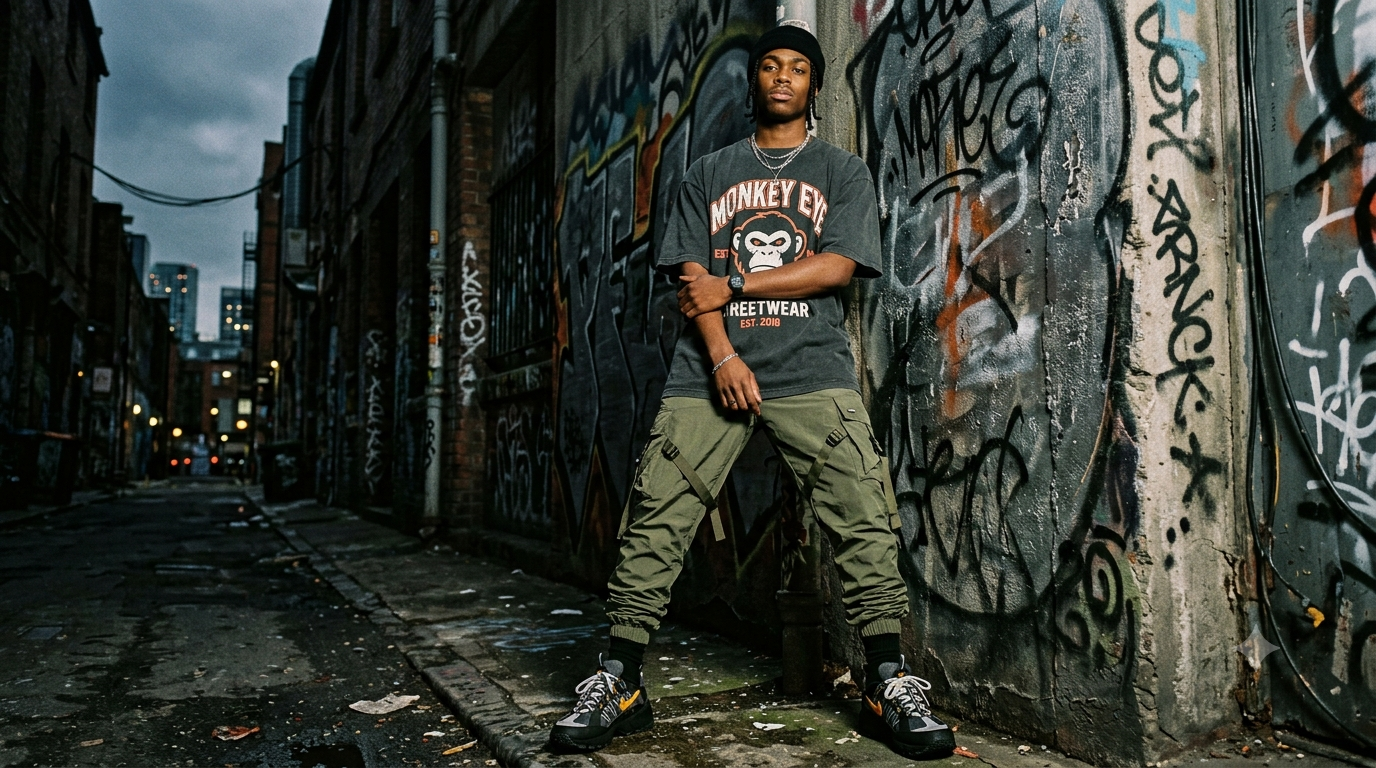
Streetwear 101: Building Your First Fit Without Blowing Your Budget
New to streetwear? Start here. A no-jargon, budget-friendly guide to putting together your first head-to-toe fit that actually feels like you — for under ₹8,000.
Back to all blogs
Streetwear isn't about labels or price tags — it's about attitude, fit, and honest fabric. If you're just getting into it, ignore Instagram's ₹40,000 fit checks. You can build a full wardrobe you actually wear for under ₹8,000, and this is exactly how we'd start. This guide is the one we wish we had when we walked into our first drop shop with no clue what to buy.
What streetwear actually is
Streetwear started in 80s skate and hip-hop culture — everyday clothes worn loud, personal, and intentional. In 2026 it's less about following one brand and more about mixing pieces that say something about you. That means: comfortable, expressive, layered, and a little rebellious. Not costume-y. If you feel like you're wearing a uniform instead of a fit, you've missed the point.
The four essentials every wardrobe needs
Before you buy anything with a big logo or a hype tag, get these four base pieces right. They'll cover 90% of your fits and give you the foundation to add louder pieces later without looking chaotic.
- One heavy oversized tee in black or off-white — the anchor of every fit
- One relaxed-fit jogger, cargo, or straight jean — your daily bottom
- One layering piece — overshirt, hoodie, or lightweight bomber
- One statement graphic tee that actually means something to you
The 30-30-30-10 wardrobe formula
This is the split we use when advising anyone building a streetwear wardrobe from zero. It keeps your closet balanced so you always have a fit ready, no matter the day.
- 30% base tees (black, off-white, grey) — worn most, replaced most
- 30% bottoms (joggers, cargos, one denim) — high wear, needs durability
- 30% layers and statement pieces (hoodies, overshirts, one loud tee)
- 10% accessories (one cap, one bag, one chain) — the seasoning
If you find yourself with 80% loud graphic tees and no plain bases, you'll never build a functional fit. Fix that split before you buy anything new.
How to layer without overheating
Start with the tee as your base. Add a mid-layer only when the weather calls for it — an unbuttoned overshirt, a zip-up hoodie left half-open, or a light bomber. Finish with a bag, a cap, and clean sneakers. The rule: one loud piece per fit. If your tee is loud, keep the layers plain. If your jacket is loud, keep the tee plain.
Choosing colours that actually work together
Beginner-safe palette: black, off-white, washed grey, muted olive, and one accent (usually a print or a coloured cap). Avoid mixing three saturated colours in one fit. If you're not sure whether two pieces work together, take a photo — the camera tells the truth better than the mirror.
Fabric weight — the secret to looking premium
The biggest visible difference between a ₹399 tee and a ₹1,499 tee is fabric weight. Anything under 180 GSM will look thin and cheap the moment you put it on. Aim for 220 GSM or higher for tees, and always feel the seams before you buy — reinforced shoulder seams are a green flag. A tee that costs more but lasts three years beats four tees that die by month six.
Where to actually shop in India
You don't need to import from Europe. India's homegrown streetwear scene has caught up hard in the last three years.
Online
- Direct-to-consumer Indian brands — better fabric per rupee than marketplaces
- Brand Instagram accounts often show real-fit photos, not just studio shots
- Check reviews for wash-after-six-months feedback, not day-one reviews
Offline
- Independent boutiques in Bandra, Indiranagar, HKV, Kala Ghoda — try before you buy
- Weekend markets in metros — smaller labels, better pricing, real conversations
- Skip mall fast fashion for the base pieces; use it for basics like socks
Budget breakdown for your first fit
- Oversized tee — ₹999 to ₹1,499
- Joggers or cargos — ₹1,499 to ₹2,499
- Layer (overshirt or hoodie) — ₹1,999 to ₹2,999
- Sneakers (start with white low-tops) — ₹2,499 to ₹4,999
How to shoot your fit for Instagram
A fit that photographs well isn't luck — it's setup. Use natural light within an hour of sunrise or sunset. Shoot at chest height, not from above (angles from above shrink the silhouette). Stand slightly angled, not straight-on. Full-body shots read better than mirror selfies for streetwear because they show proportion.
- Golden hour beats studio lighting for texture and colour accuracy
- Neutral wall or concrete backdrop keeps focus on the fit
- One full-body, one detail shot (shoes, print, accessory) is the winning combo
- Skip heavy filters — they flatten fabric texture that costs real money
Mistakes almost every beginner makes
- Buying oversized without checking shoulder measurements against your body
- Mixing three loud prints in one fit — the eye has nowhere to rest
- Ignoring shoes — they anchor the entire look
- Copying a full fit from Instagram instead of adapting one piece
- Wearing dress shoes or sports runners with streetwear silhouettes
- Buying only graphic tees and no plain bases — kills every fit
Building your second fit
Once your first fit lives in your closet for a month, you'll know what's missing. Most people jump to a second loud tee — that's the wrong move. The second fit should extend your first one. Add a contrasting bottom (if you started with black joggers, add straight indigo denim). Add a second layer weight (if you started with a hoodie, add a lightweight overshirt). Only then buy a second statement piece.
Build slowly, wear loudly
You don't need a full wardrobe on day one. Buy one great tee, wear it three times a week for a month, then add the next piece. The best streetwear wardrobes are built one drop at a time — and they last years, not seasons. When you feel your first fit start to become second nature, that's your signal to add. Not before.